TOWARDS PLANET POSITIVE
Striving towards Net Zero
Our commitments:

SBTi

Scope 1 & 2

Scope 3
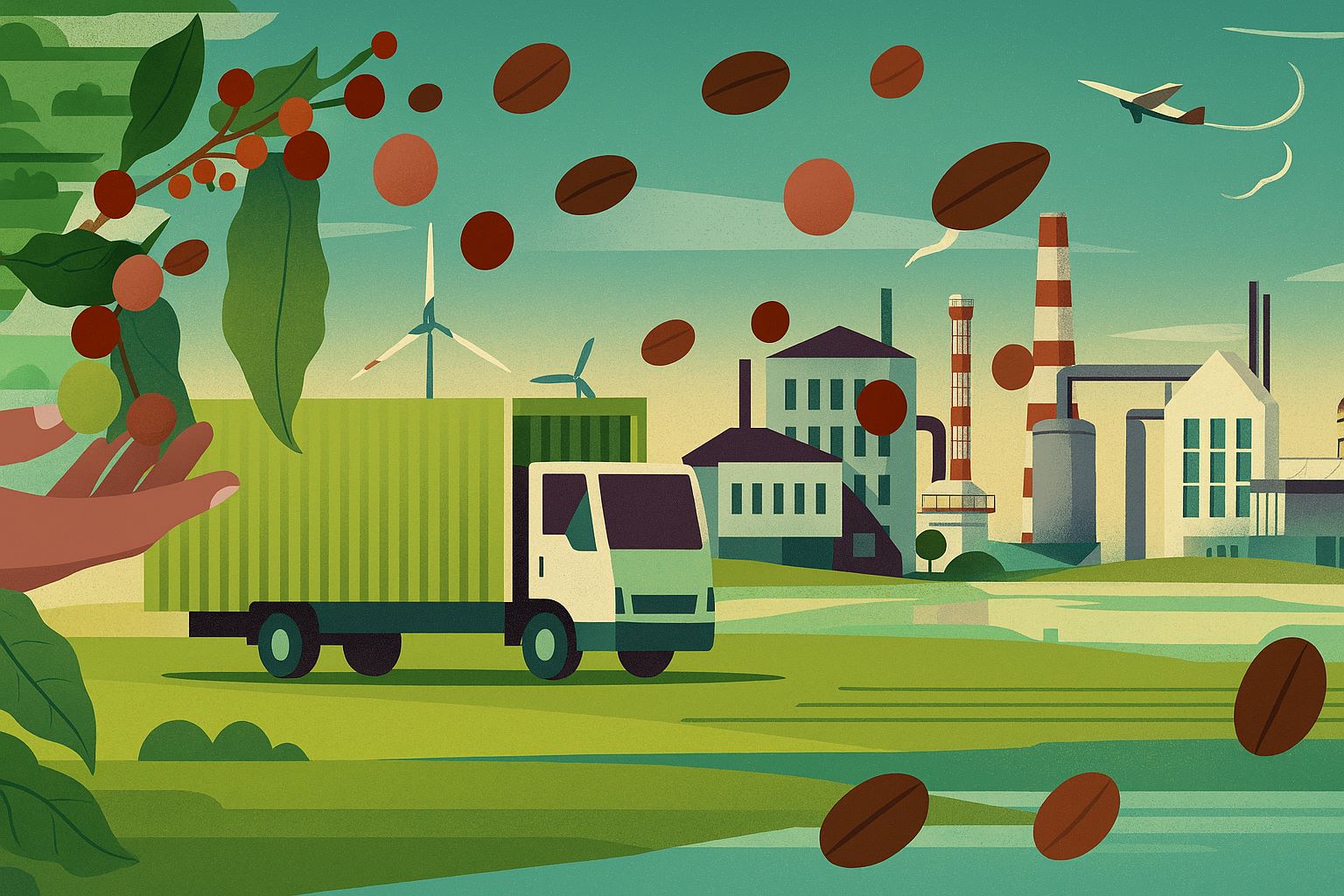
Scope 1: Direct emissions resulting from activities under our control, such as on-site fuel combustion and company vehicles.Scope 2: Indirect emissions from electricity we’ve purchased and used in our operations.Scope 3: Indirect emissions that are not in our control but that result from our organisation, such as the farming of our coffee beans or the packaging and transport of our products.
Our Commitment to Deforestation-Free Supply Chains
Why Forests Matter
Tackling Deforestation Risks
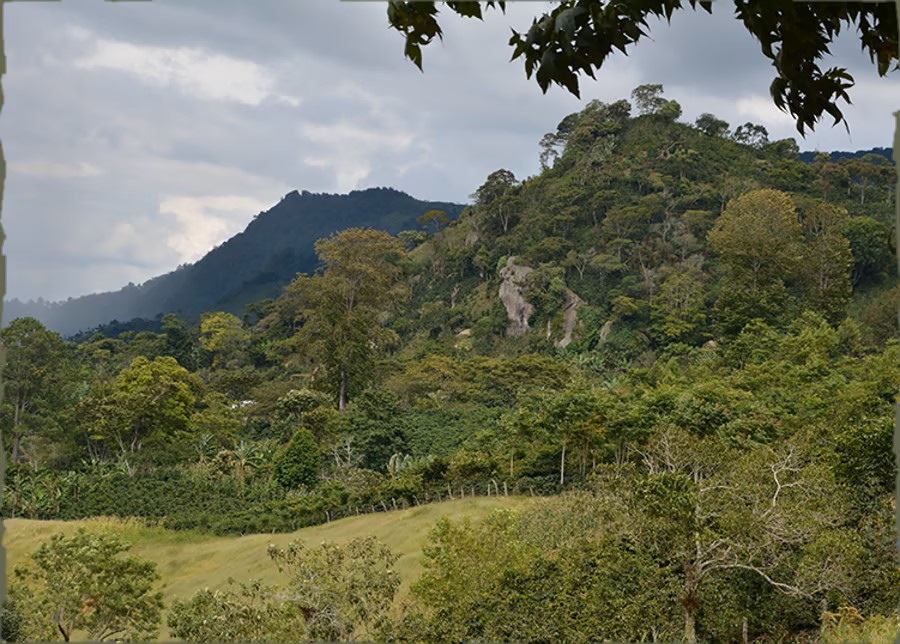
Deforestation risks arise from farmers expanding arable land and climate change driving shifts to higher-altitude regions. The EU Deforestation Regulation (EUDR), effective end-2025, sets stricter rules for commodities linked to deforestation on the EU market. Our Deforestation-Free programme goes beyond EUDR requirements, advancing global deforestation-free supply chains and supporting our climate goals.
Our Holistic Approach
As coffee is our principal product, we go beyond regulatory compliance to make a lasting impact. We use spatial mapping, remediation, and targeted support for farmers in high-risk regions, collaborating with local authorities and governments to drive progress.
For cocoa and palm oil, we prioritize collaboration across the supply chain, focusing on responsible sourcing and effective farmer support programmes. In paper and pulp, we maximize recycled content and use certified virgin materials to ensure quality, sourcing all wood from managed plantations.
Our Forest Policy
Our Forest Policy underscores our commitment to protecting forests through Responsible Sourcing Principles. We aim for no deforestation across our primary commodities by 31 December 2025. We engage with suppliers to ensure adherence to our principles and collaborate with communities, industry partners, and NGOs to address deforestation risks.

Optimising our resource use
We are reviewing our complete portfolio to identify areas where we can optimise packaging weight and reduce packaging waste. We also focus on reducing our water usage and our manufacturing waste while constantly maintaining highest product quality and safety. We are striving to halve our total waste (vs 2020) and maintain waste-to-landfill under 1% across all our manufacturing sites by 2030.
Our commitments:

Packaging
Waste to landfill

Water usage
Related articles
SOURCING FOR BETTER